
July 23, 2026
Cargo Theft & Freight Fraud Surge: Securing European Logistics
Discover how surging cargo theft and freight fraud are impacting European supply chains. Learn strat...


 Author: Pickup2 Team
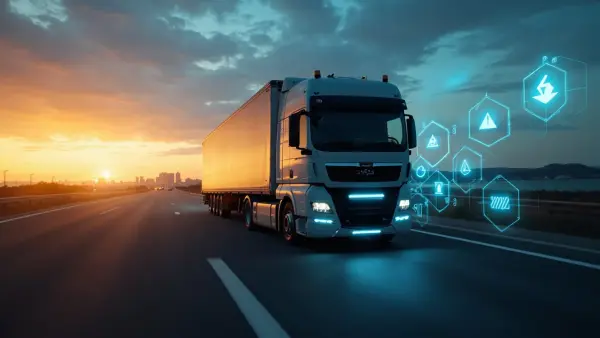
This significant regulatory update, effective January 1, 2027, marks a pivotal moment for European logistics, aligning the industry with ambitious EU climate targets. It introduces a future where sustainability and safety converge, offering new avenues for transporting hazardous materials while reducing environmental impact.
The upcoming ADR 2027 amendments will permit hydrogen-powered vehicles to transport dangerous goods under stringent new technical standards. This update, detailed by sources like Trasegro and Evolution Forwarding, reflects a concerted effort to integrate greener technologies into specialized logistics. Companies across Europe must begin preparing for compliance well in advance of the mid-2027 enforcement deadline.
For carriers, this means investing in new vehicle technologies and ensuring their fleets meet the specific requirements for hydrogen safety. Shippers and freight forwarders, in turn, will need to understand how these changes impact their supply chains and partner selection. Digital platforms like Pickup2 can facilitate this by allowing companies to post loads with specific vehicle requirements, such as those for temperature-controlled or dangerous goods transport, and find carriers publishing suitable fleet offers. The core challenge lies in balancing innovation with the paramount need for safety and security inherent in dangerous goods transport.
Compliance with ADR 2027's hydrogen vehicle provisions will necessitate comprehensive training for drivers and operational staff. Understanding the unique risks associated with hydrogen fuel and implementing robust safety protocols will be non-negotiable. This proactive approach ensures that the industry can safely harness the environmental benefits of hydrogen.
Beyond training, logistics companies should consider reviewing their current fleet management strategies and exploring partnerships with technology providers. Assessing the viability and economic benefits of transitioning to hydrogen-powered vehicles requires careful planning and a long-term vision. This preparation aligns not only with new regulations but also with broader corporate sustainability goals.
The new regulations also present an opportunity to differentiate services within a competitive market. Companies that embrace hydrogen technology early can position themselves as leaders in sustainable dangerous goods transport. This forward-thinking approach can attract new business and strengthen existing client relationships, contributing to long-term growth.
The introduction of hydrogen-powered vehicles for dangerous goods transport via ADR 2027 signifies a major step towards sustainable logistics. While requiring significant preparation, this regulatory update offers immense opportunities for operational efficiency, environmental responsibility, and market leadership. Platforms like Pickup2 help logistics companies adapt by providing tools to find and manage verified partners across Europe, ensuring compliance and efficiency in this evolving landscape.
Discover how surging cargo theft and freight fraud are impacting European supply chains. Learn strat...
Discover how Romania and Bulgaria joining the Schengen area in 2026 will transform road freight, red...

The EU plans to double cross-border transport infrastructure investment, tackling bottlenecks like t...

From July 2026, EU Mobility Package rules will apply to 2.5‑3.5 t vans in international transport—sm...

Quantum computers pose a critical threat to EU logistics data by 2026. Learn about the timeline, EU ...

Europe accelerates clean and digital transport initiatives, boosting zero-emission truck corridors a...