
June 9, 2026
EU Platform Worker Directive: How Gig Economy Logistics Is Changing
The EU's platform worker directive is reshaping last-mile delivery. Discover how new labor classific...


 Author: Pickup2 Team

Regulatory compliance, soaring fuel costs, and a persistent driver shortage make every hour of uptime critical. Unexpected breakdowns not only halt delivery schedules but also inflate repair costs significantly. A new wave of digital technology is stepping in to solve this dilemma.
Modern trucks generate vast amounts of data from engines, brakes, and suspension systems. AI-driven predictive maintenance platforms ingest this sensor data in real-time, using machine learning models to identify patterns that precede component failure. By flagging potential issues days before they occur, fleet managers can schedule repairs during convenient windows, eliminating the chaos of on-road breakdowns.
This shift from reactive "run-until-it-breaks" maintenance to proactive servicing represents a fundamental change in fleet operations. It ensures that components are replaced only when necessary, extending their lifespan and reducing waste.
The financial case is compelling. By reducing unplanned downtime, fleets save on emergency towing, surge-rate mechanic fees, and driver delays. Studies suggest that predictive maintenance can reduce maintenance costs by up to 20% and increase vehicle availability by 10%. Furthermore, consistent maintenance schedules improve fuel efficiency and adherence to strict EU safety regulations, mitigating the risk of costly non-compliance fines.
Implementation typically involves installing IoT sensors on critical components or utilizing existing telematics data streams. The AI models analyze vibration, temperature, and oil quality to predict failures. Alerts are sent to dispatchers, allowing for dynamic scheduling that minimizes disruption to delivery routes.
As the digital freight exchange evolves, leveraging AI for vehicle health is becoming a standard competitive advantage. Platforms like Pickup2 help logistics companies adapt to these technological advancements, ensuring they stay ahead in a demanding market.
The EU's platform worker directive is reshaping last-mile delivery. Discover how new labor classific...
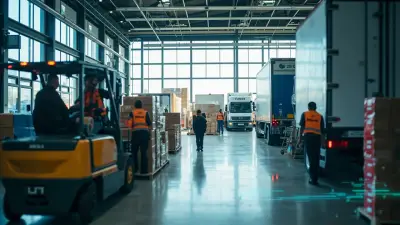
Three years post-Brexit, EU-UK logistics navigate ongoing customs friction, N.I. protocol hurdles, a...

Explore how evolving EU Urban Vehicle Access Regulations (UVAR) are reshaping city freight. Learn co...
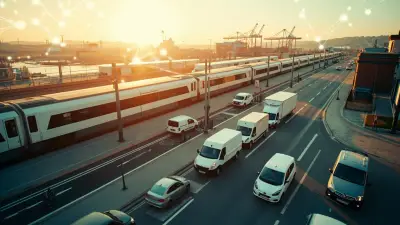
The new CountEmissionsEU framework standardizes transport emissions calculations across the EU. Disc...
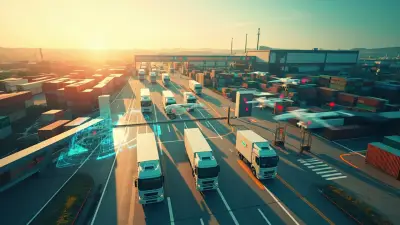
Discover how AI-driven yard management systems are transforming EU logistics hubs. Explore predictiv...

Stay ahead of new EU digital freight documentation. Learn about e-CMR, e-CPD, cross-border complianc...