
Asia-Europe Ocean Freight Rates Soften: What it Means for You

 Author: Pickup2 Team
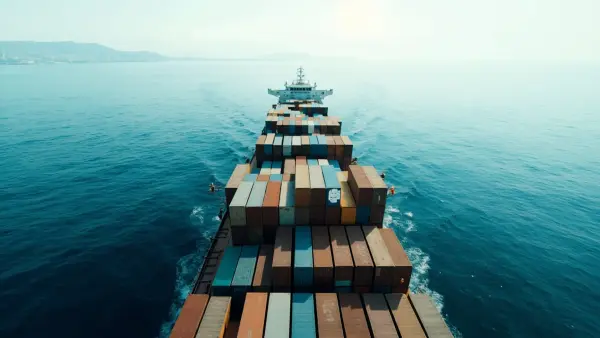
Asia-Europe Ocean Freight Rates Show Signs of Softening
The highly volatile Asia-Europe ocean freight market is witnessing a notable shift in early July 2026, as shipping rates begin to decelerate their recent gains. This softening trend, marked by spot rate drops for some major alliances, signals a potential turning point after a period of significant upward pressure. The change is primarily driven by a combination of seasonal factors waning and underlying structural shifts in global shipping capacity.
Understanding the Deceleration
Several key factors are contributing to the current easing of Asia-Europe container shipping rates. Foremost among these is the fading impact of peak season frontloading, a common practice where businesses ship goods earlier to avoid potential disruptions or higher rates later in the year. As this demand surge subsides, the immediate pressure on vessel space lessens considerably.
Another significant driver is the continuous influx of new vessel deliveries into the global fleet. The maritime industry has been investing heavily in new container ships, and these new vessels are now systematically entering service. This expansion is rapidly creating a structural overcapacity across major trade lanes, particularly evident on the Asia-Europe route, as noted by industry expert Great Hensen. This increased supply directly impacts the equilibrium of supply and demand, putting downward pressure on freight costs.
Implications for Shippers and Carriers
For shippers, this softening trend could translate into more favorable conditions and potential cost savings in the coming months. The decrease in spot rates offers a window for better negotiation and more predictable budgeting, contrasting sharply with the recent period of unpredictable and rapidly increasing prices. Companies reliant on Asia-Europe trade routes should closely monitor these developments to optimize their logistics strategies.
Carriers, on the other hand, face renewed pressure on their profitability as rates decline. The challenge shifts towards effective capacity management and securing consistent cargo volumes in a more competitive environment. Strategic vessel deployment and agile pricing models will be crucial for maintaining operational efficiency and market share amidst this evolving landscape. This also impacts freight forwarders, who must navigate increased volatility while seeking the best options for their clients.
Conclusion
The deceleration and softening of Asia-Europe ocean freight rates in early July 2026 represent a significant development for the global logistics industry. While the market remains dynamic, the interplay of fading frontloading and increasing structural overcapacity suggests a period of potential rate adjustments. Adapting to these shifts requires informed decision-making and efficient resource management, where platforms like Pickup2 help logistics companies find optimal solutions and connect with reliable partners.