
DHL Pioneers SAF at Paris CDG: A Sustainable Leap for Air Cargo

 Author: Pickup2 Team
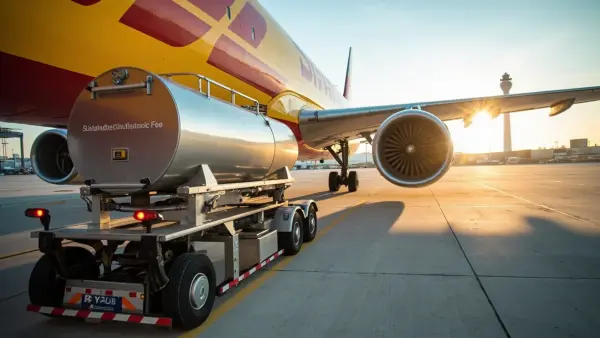
The future of sustainable air cargo transportation just got a significant boost at Paris Charles de Gaulle Airport.
DHL Express has made a landmark move, becoming the first express cargo carrier to implement Sustainable Aviation Fuel (SAF) at its major European hub in Paris CDG. This pioneering initiative, forged through a one-year partnership with TotalEnergies, marks a crucial stride towards decarbonizing the international air transport of parcels and sets a new precedent for the global logistics industry. It underscores a growing commitment to environmental responsibility across the entire supply chain.
The Imperative for Sustainable Air Cargo
Decarbonizing the aviation sector presents one of the biggest challenges in achieving global climate targets. Traditional jet fuel, derived from fossil sources, contributes substantially to greenhouse gas emissions. Sustainable Aviation Fuel, by contrast, is produced from renewable resources such as used cooking oil, agricultural waste, or municipal solid waste, significantly reducing lifecycle carbon emissions by up to 80% compared to conventional jet fuel. This makes SAF a vital tool in the industry's journey towards net-zero operations.
This commitment from major players like DHL highlights a crucial trend: sustainability is no longer a niche concern but a core strategic imperative for logistics. Shippers are increasingly demanding greener transport options, while freight forwarders and carriers are under pressure to demonstrate their environmental credentials. Embracing SAF not only addresses these demands but also positions companies at the forefront of innovation and compliance in an evolving regulatory landscape.
Impact on the Logistics Ecosystem
The adoption of SAF by a leading express carrier like DHL sends a strong signal throughout the logistics ecosystem. It suggests a future where sustainable options become more commonplace, albeit potentially with initial cost implications. Carriers and freight forwarders will need to adapt their strategies, exploring how to integrate greener solutions into their service offerings and operational models. This includes optimizing existing routes and reducing empty runs to further minimize carbon footprints.
For logistics companies, adapting to a more sustainable future also means leveraging digital tools that enhance efficiency and reduce waste. For example, platforms like Pickup2, which facilitate finding return loads and optimizing multi-stop routes across Europe, can help carriers reduce fuel consumption and emissions by minimizing empty vehicle capacity. This strategic approach to capacity management is crucial for balancing operational costs with environmental goals.
The shift towards SAF will likely influence procurement decisions for shippers and the service portfolios of forwarders. Companies that can offer transparent, verifiable sustainable transport solutions will gain a competitive edge. This will necessitate greater collaboration across the supply chain, as partners work together to track emissions, share data, and invest in sustainable technologies and fuels. The long-term benefits include not only environmental stewardship but also enhanced brand reputation and increased resilience against future carbon pricing or regulations.
Conclusion
DHL Express's move to integrate Sustainable Aviation Fuel at its Paris CDG hub is more than just an operational change; it's a powerful statement about the future direction of logistics. As the industry strives for greener operations, initiatives like this pave the way for broader adoption of sustainable practices. Digital platforms, such as Pickup2, play a crucial role in enabling this transition by connecting verified partners and optimizing load matching, ultimately contributing to a more efficient and environmentally responsible European logistics network.