
EU Boosts Cross-Border Transport: A New Era for European Logistics

 Author: Pickup2 Team
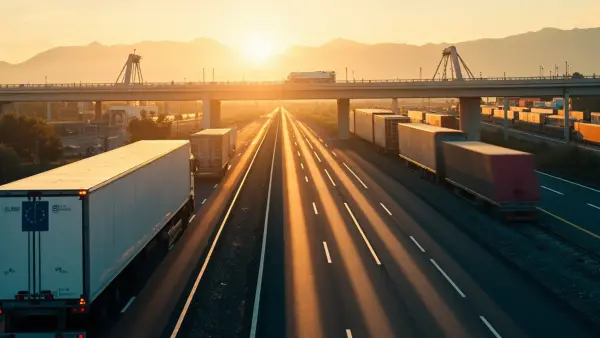
The European Union is poised to revolutionize cross-border transport infrastructure with a significant investment push.
An EU Commissioner recently called for a substantial increase in funding for crucial cross-border projects within the next seven-year budget cycle. This ambitious initiative directly addresses long-standing bottlenecks and conflicts, such as those impacting the vital Brenner Pass corridor, promising unprecedented connectivity and efficiency across the continent's transport networks. It represents a strategic move to future-proof European logistics operations.
Boosting Cross-Border Connectivity
The proposed doubling of investment underscores a critical recognition from EU leadership: seamless cross-border movement is fundamental to Europe's economic health and competitiveness. For too long, physical and administrative barriers have created costly delays and inefficiencies, hindering the smooth flow of goods. This renewed focus on infrastructure signals a serious commitment to dismantling these persistent challenges and fostering greater cohesion.
Current infrastructure limitations translate directly into higher operational costs and reduced predictability for logistics companies across the continent. Bottlenecks at key corridors not only cause significant transit delays but also inflate fuel consumption and increase wear-and-tear on vehicles, impacting profitability. Addressing these "pinch points" is essential for cultivating a more fluid and responsive European supply chain that benefits all stakeholders.
Seizing Future Logistics Opportunities
Improved cross-border infrastructure promises a transformative impact on freight operations throughout Europe. Enhanced rail lines, optimized road networks, and modernized border crossings will enable faster, more reliable transit times for both FTL and LTL shipments, even for temperature-controlled goods. This increased efficiency will significantly reduce operational expenses for carriers and improve delivery predictability for shippers and forwarders alike.
The initiative will also foster greater integration of national transport systems, creating a truly unified European logistics space. This means easier planning for complex multi-stop routes and more predictable timelines for goods moving across diverse regions. As the network becomes more robust and interconnected, companies can better optimize their fleet utilization, explore new market opportunities, and enhance overall service quality.
To effectively capitalize on these forthcoming infrastructure enhancements, logistics companies must embrace digital tools that offer flexibility and broader network access. Platforms like Pickup2, which facilitate finding and posting loads (FTL/LTL, multi-stop routes, temperature-controlled) and allow carriers to publish available vehicle capacity to fill empty runs across Europe, will become even more crucial for maximizing efficiency in an increasingly connected network.
Conclusion
The EU's push for doubled investment in cross-border transport infrastructure marks a pivotal moment for European logistics, promising a future of enhanced connectivity and efficiency. This strategic commitment to tackling long-standing bottlenecks will pave the way for a more predictable and resilient supply chain. Adapting to this evolving landscape by leveraging advanced digital freight exchange platforms like Pickup2 will be key for companies aiming to thrive.