
EU CBAM 2026: Carbon Costs Reshape Cross-Border Freight

 Author: Pickup2 Team
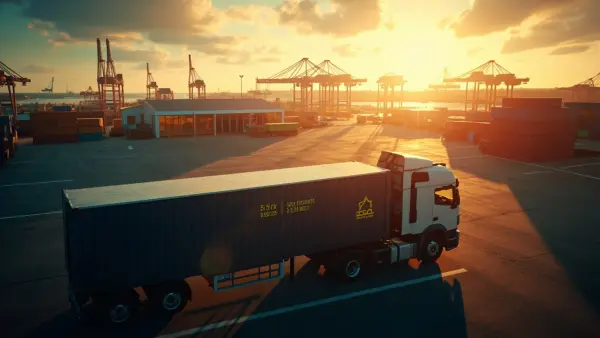
EU CBAM 2026 introduces a new era for carbon accounting in European cross-border logistics.
The EU Carbon Border Adjustment Mechanism (CBAM) is set to reshape trade flows and operational strategies across the continent. Entering its full implementation phase in 2026, this landmark regulation will levy a carbon price on specific imported goods, directly impacting freight forwarders, carriers, and shippers involved in EU trade. Companies must now integrate complex emissions reporting and embedded carbon calculations into their core workflows.
Understanding the CBAM Framework
Starting in 2026, CBAM will impose a carbon levy on imports of select carbon-intensive goods, including steel, aluminum, cement, fertilizers, hydrogen, and electricity. This mechanism aims to equalize the carbon price paid by EU and non-EU producers, preventing "carbon leakage" where production might shift to countries with less stringent climate policies. Importers will be required to report the embedded emissions of these goods and purchase CBAM certificates to cover the carbon cost difference.
This shift necessitates rigorous data collection and transparency across the supply chain. Importers, in collaboration with their freight partners, must accurately calculate the greenhouse gas emissions associated with the production of their goods. This directly influences procurement decisions and the overall cost structure of cross-border transactions, extending beyond just the transportation leg itself.
Operational Impact on Logistics
Freight forwarders and carriers will experience significant ripple effects. While CBAM directly targets importers of specific goods, the demand for transparent, lower-carbon supply chains will become paramount. Logistics providers will be asked to supply more detailed information regarding their own operational emissions or support importers in gathering data about the embedded carbon in goods they transport. This could influence shipper and forwarder selection criteria, prioritizing partners who can provide robust environmental data.
The need to optimize routes and reduce empty mileage becomes even more critical for carriers. Efficient route planning, load consolidation, and finding return loads directly contribute to lower emissions per tonne-kilometer, which can indirectly support importers in demonstrating a lower carbon footprint for their goods. Platforms like Pickup2, which enable carriers to publish available vehicle capacity and find return loads across Europe (FTL/LTL, multi-stop routes), can be instrumental in maximizing fleet utilization and minimizing unnecessary emissions. This strategic optimization helps manage new cost pressures.
Adapting to the New Reality
Companies must proactively adapt to these new compliance requirements. This involves assessing current supply chains, identifying CBAM-affected goods, and establishing robust systems for data collection and reporting. Engaging with suppliers to understand their embedded carbon footprints will be essential for importers. For logistics providers, investing in fleet modernization, alternative fuels, and advanced route optimization technologies can offer a competitive edge.
Strategic partnerships will also play a key role. Shippers and freight forwarders will increasingly seek out carriers who can offer not just competitive rates and reliable service, but also verifiable data on their environmental performance. The ability to negotiate effectively and share precise vehicle requirements (e.g., FTL/LTL, temperature-controlled) will be vital in aligning transport solutions with the broader CBAM compliance goals.
Conclusion
The EU CBAM's full implementation in 2026 marks a pivotal moment for European logistics, shifting the paradigm towards greater accountability for carbon emissions. Integrating emissions data, adapting routing decisions, and adjusting supplier selection are no longer optional. Platforms like Pickup2 can help logistics companies navigate this evolving landscape by providing tools for efficient freight exchange, enabling transparent partner selection, and facilitating optimized transport operations across Europe.