
EU ICS2 Outage Disrupts Cross-Border Freight Operations

 Author: Pickup2 Team
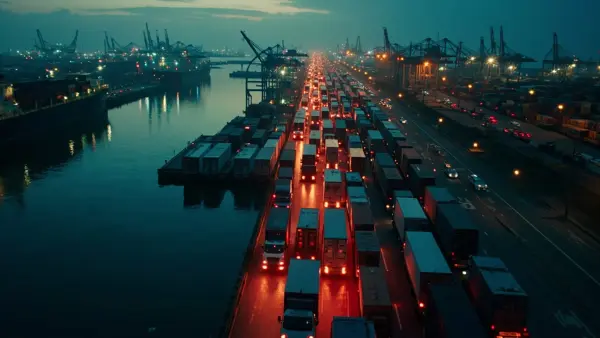
Ongoing technical failure of the EU's Import Control System 2 is creating widespread delays for European freight operators, with advance cargo declarations, vessel arrival notifications, and temporary storage filings all affected by the outage.
The ICS2 platform, designed to enhance security and streamline customs processes across EU member states, has been experiencing an extended technical disruption first reported by Maersk. Without functioning access to the system, logistics companies, customs brokers, and freight forwarders face mounting backlogs at ports and border crossings, threatening shipment schedules and increasing operational costs. The outage serves as a stark reminder of how dependent modern European trade has become on centralized digital infrastructure.
The Scope of the Disruption
The outage affects several critical customs functions that form the backbone of EU cross-border trade. Without the ability to file advance cargo information, vessels arriving at EU ports cannot complete standard notification procedures, delaying berthing and unloading operations. Temporary storage declarations, required for goods held in bonded warehouses, are also stalled, creating a cascading effect on inventory management and downstream delivery commitments.
For shippers, forwarders, and carriers, the impact is being felt across multiple areas:
- Extended dwell times at major EU ports
- Increased demurrage and detention charges
- Uncertainty over cargo release timelines
- Pressure to reroute or consolidate shipments
Maersk has confirmed the issue and is advising customers to expect potential delays while authorities work to restore full system functionality. The carrier has issued guidance to clients urging them to prepare contingency plans and keep documentation ready for resubmission once services resume.
Immediate Impact on Logistics Operations
The outage is exposing vulnerabilities in Europe's reliance on a single digital customs framework. Freight forwarders managing multi-leg international shipments are particularly affected, as ICS2 filings are mandatory before goods can enter or transit through EU territory. With filings temporarily impossible, many operators are resorting to manual workarounds, which slow processing and increase the risk of documentation errors.
Carriers operating just-in-time supply chains face acute pressure, as even minor delays at customs can disrupt production schedules for manufacturers dependent on imported components. Port authorities across Hamburg, Rotterdam, Antwerp, and other major hubs are reportedly managing congestion as containers await clearance. Logistics professionals are advised to maintain close communication with customs brokers and monitor updates from the European Commission and national customs authorities throughout the recovery process.
Strategies for Managing the Crisis
Experienced logistics managers are responding by reprioritizing shipments, rebooking cargo on alternative routings, and increasing buffer times in their scheduling. Digital freight platforms that provide real-time visibility into shipment status can help operators identify which loads are most affected and respond accordingly. Maintaining accurate shipment records and pre-cleared documentation will also speed recovery once the system comes back online, allowing cargo to move through customs as soon as filings are accepted again.
Conclusion
The ICS2 outage underscores how deeply digital infrastructure underpins modern European trade and how quickly disruption can ripple through global supply chains. As authorities work to resolve the issue, logistics companies that leverage flexible digital tools will be better positioned to maintain visibility and minimize delays. Platforms like Pickup2 help freight professionals stay agile when unexpected system failures threaten the smooth flow of cross-border operations.