
EU Road Freight: Q3 2026 Outlook & Rate Trends

 Author: Pickup2 Team
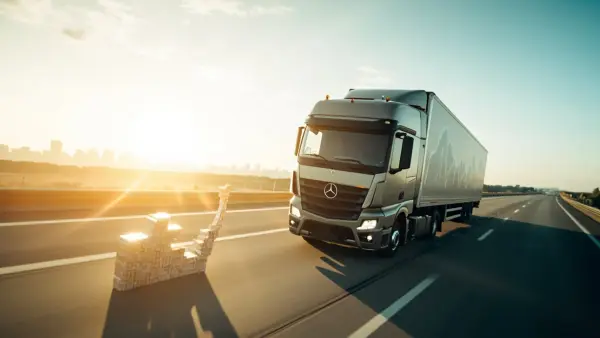
The European road freight market in Q3 2026 is poised for moderate rate increases amidst a landscape of stable demand and rising operational costs.
As we approach the third quarter of 2026, the European road freight sector presents a nuanced and dynamic picture for all stakeholders, from shippers to carriers. While overall demand for transport services across the continent remains steady, a confluence of external factors is set to exert significant upward pressure on freight rates. Understanding these intricate market shifts and their implications is absolutely crucial for businesses across the entire supply chain to plan effectively, optimize logistics strategies, and maintain their competitive edge in a challenging environment.
Market Dynamics and Rate Projections
Market analysis, drawing insights from recent industry reports and economic forecasts [2, 6, 9], suggests a period of stable, albeit moderate, demand across various European corridors for Q3 2026. This consistent volume indicates a resilient underlying economy, yet it doesn't alleviate the cost pressures. Despite this stability, the average freight rates are projected to climb by 3-6% compared to Q2, representing a notable and impactful adjustment for many businesses relying on road transport. This anticipated increase is largely a direct response to carriers' urgent need to restore profitability margins, which have been continually squeezed by persistent operational challenges and razor-thin profits in recent quarters.
Carriers face a relentlessly challenging environment where every single run needs to be meticulously optimized for maximum efficiency and cost-effectiveness. Volatile and rising fuel prices, alongside steadily increasing toll charges across major European routes, directly and significantly impact their bottom line, necessitating careful rate adjustments to adequately cover these escalating expenditures. Furthermore, the ongoing labor shortages for skilled drivers continue to drive up personnel costs and limit overall capacity, intensifying the pressure on pricing strategies. Platforms like Pickup2 enable carriers to actively publish available vehicle capacity and diligently find return loads across Europe, crucial for filling empty runs, optimizing multi-stop routes, and maintaining profitability amidst these constantly rising operational costs.
Key Challenges for Shippers and Carriers
Volatile fuel costs continue to be a primary and unpredictable concern for all players in the European logistics sector, making robust long-term budgeting and accurate forecasting incredibly difficult for transport providers. These unpredictable fluctuations necessitate flexible pricing models and constant monitoring. Coupled with this, the incremental but steady increase in toll charges across various European countries adds another consistent layer of financial pressure, which cannot be easily absorbed without impacting margins. These unavoidable factors directly translate into significantly higher operational expenses that must either be strategically managed by carriers or judiciously passed on to shippers to ensure sustainable operations.
Moreover, the European logistics sector continues to grapple with persistent and widespread labor shortages, particularly for skilled and experienced drivers, which inherently limits available transport capacity and pushes up employment costs across the board. Intense competition among carriers, while potentially beneficial for shippers in securing competitive bids, can also make it increasingly harder for individual transport businesses to maintain sustainable margins and invest adequately in necessary fleet modernization or technological upgrades. Shippers and freight forwarders must therefore actively engage in transparent bidding and negotiation processes to secure both favorable rates and reliable capacity with verified partner companies, ensuring their supply chains remain agile.
Conclusion
The Q3 2026 outlook for the European road freight market indicates a period of necessary rate adjustments, predominantly driven by persistent operational cost pressures and the imperative for carrier profitability amidst stable demand. Adapting successfully to these evolving trends requires proactive strategic planning, embracing flexible logistics solutions, and the adoption of efficient digital tools. Digital platforms like Pickup2, offering transparent bidding and negotiation on FTL/LTL and temperature-controlled loads, robust company verification, and post-transaction ratings and reviews, can be instrumental in helping businesses navigate these complexities effectively and forge reliable, long-term partnerships across Europe.