
EU Urban Logistics: Navigating City Access Restrictions in 2026

 Author: Pickup2 Team
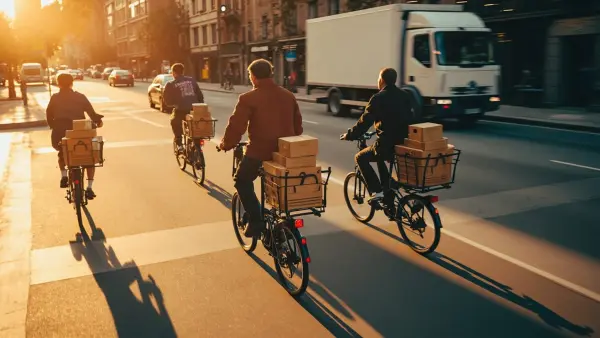
European cities are rapidly redefining urban freight, ushering in an era of stringent access regulations that demand immediate attention from logistics operators.
The landscape of urban logistics across Europe is undergoing a profound transformation. As municipalities prioritize environmental sustainability and reduced congestion, logistics companies are facing an urgent need to adapt their urban delivery strategies to comply with increasingly strict low-emission zones (LEZs), zero-emission zones (ZEZs), and other access restrictions. Understanding and proactively preparing for these changes is paramount for maintaining efficient and cost-effective operations in city centers by 2026.
The Evolving EU UVAR Landscape
The EU Urban Vehicle Access Regulations (UVAR) framework is expanding both in scope and intensity. What began as basic LEZs restricting older, more polluting vehicles is quickly evolving into comprehensive systems that mandate specific vehicle types, delivery windows, and even require digital permits for entry into designated city areas. By 2026, many major European cities are projected to have significantly tightened their UVARs, creating a complex web of varying local rules.
These regulations are designed to curb air pollution and noise, but they pose significant operational hurdles for traditional logistics models relying on internal combustion engine (ICE) vehicles. Operators must contend with rising compliance costs, potential fines, and the logistical nightmare of navigating disparate rules across different urban centers. The shift towards cleaner, quieter deliveries is inevitable, forcing companies to re-evaluate their entire urban freight approach.
Adapting to New Rules: Compliance Strategies
Proactive adaptation is key to navigating the upcoming wave of urban logistics regulations. A primary strategy involves accelerating fleet electrification, replacing diesel vehicles with electric vans and trucks that meet future emission standards for zero-emission zones. Investing in new vehicles or exploring electric vehicle leasing options can ensure continued market access and avoid costly penalties in the long run.
Integrating advanced digital tools for route optimization and compliance management is also crucial. These systems can factor in real-time UVAR data, vehicle restrictions, and delivery windows to generate compliant and efficient routes. Collaboration with local authorities and participation in pilot programs for new urban delivery schemes can provide invaluable insights and preferential access.
Micro-hubs, Cargo Bikes & Consolidation: The Last-Mile Toolkit
As direct access for larger, traditional vehicles diminishes, innovative last-mile solutions are becoming indispensable. Micro-hubs, strategically located at the periphery of restricted zones, serve as vital transshipment points where goods are unloaded from larger vehicles and prepared for onward delivery using compliant modes. These smaller facilities enable rapid, localized distribution.
Cargo bikes, electric vans, and other light electric vehicles are emerging as flexible, emission-free alternatives for urban deliveries. Their ability to navigate congested streets, access pedestrianized areas, and operate silently makes them ideal for last-mile delivery within ZEZs. Businesses are increasingly integrating these agile solutions into their delivery networks.
Consolidation centers play a crucial role by optimizing freight volumes before they enter urban areas. By combining shipments from multiple sources into fewer, more efficient vehicle loads, these centers reduce the total number of vehicles entering restricted zones. This approach enhances efficiency, lowers emissions, and simplifies compliance with access regulations, creating a streamlined urban supply chain.
Conclusion
The evolution of EU Urban Logistics Regulations presents both significant challenges and opportunities for the freight industry. Successfully navigating city access restrictions in 2026 will demand strategic planning, investment in sustainable solutions, and a willingness to embrace new operational models. Platforms like Pickup2 help logistics companies adapt by connecting them with a flexible network of carriers and enabling smarter, more compliant freight management.