
Europe's 2026 CO2 Tolls: What Logistics Needs to Know

 Author: Pickup2 Team
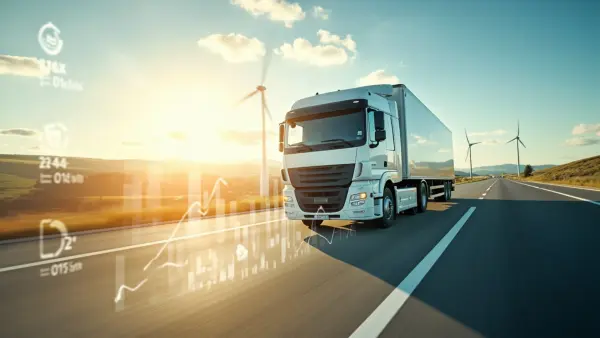
Europe's road toll system is undergoing a major transformation, shifting towards a CO2-based model by 2026.
This significant regulatory change, set to begin on July 1, 2026, will fundamentally alter how heavy-duty vehicles are charged for using European roads. Charges will increasingly be linked to CO2 emissions, distance traveled, vehicle type, and weight, moving beyond traditional models and focusing on environmental impact. This initiative is a pivotal move by the European Union, designed to strongly incentivize the adoption of cleaner fleets and foster more sustainable road transport across the continent, marking a new era for logistics.
Navigating Europe's Green Toll Revolution
The core of this regulatory overhaul is the EU's unwavering commitment to decarbonizing road transport and achieving ambitious climate goals. By directly tying toll rates to a vehicle's CO2 emissions class, the system aims to create a significant financial incentive for logistics companies to invest in environmentally friendlier technologies. This strategic shift builds upon existing frameworks but adds a crucial environmental dimension, making operational sustainability a key factor in cost management and long-term viability.
This multi-factor approach means that carriers with older, more polluting vehicles will face significantly higher operating costs compared to those utilizing newer, more efficient fleets. The differentiation will be clear, with better CO2 classes incurring lower charges. Several EU member states, including Austria, Poland, Italy, Greece, and France, are already preparing for or implementing substantial rate increases alongside this transition, signaling a continent-wide shift that demands attention.
The goal is clear: accelerate the transition to zero-emission vehicles and drastically reduce the overall carbon footprint of road freight. While the shift presents immediate challenges in terms of investment and operational adjustment, it also creates substantial opportunities for companies that proactively embrace sustainability. Early adopters of greener technologies will not only contribute to vital environmental goals but also gain a significant competitive edge and enhanced brand reputation in a rapidly evolving market.
Strategic Implications for European Logistics
The immediate financial impact for many logistics operations will be a noticeable rise in overall transportation costs, especially for fleets still heavily reliant on conventional diesel engines. This necessitates a thorough review of current fleet compositions and a robust plan for modernization, potentially involving significant capital expenditure in electric or hydrogen-powered trucks. Companies must analyze their routes, vehicle types, and average loads to understand the precise financial implications and develop tailored mitigation strategies.
Beyond fleet upgrades, operational efficiency will become paramount to counterbalance rising costs. Strategies such as optimizing routes to minimize distance, maximizing load capacity to reduce the number of trips, and improving driver behavior to enhance fuel efficiency will be crucial for maintaining profitability. Embracing advanced telematics and route planning software can offer data-driven insights to achieve these efficiencies, allowing for smart adjustments to mitigate the impact of increased tolls effectively.
Logistics companies need to proactively engage with this change, not just react to it after implementation. This involves forecasting future costs accurately, exploring financing options for greener vehicles, and fostering partnerships that support sustainable practices across the supply chain. Ignoring these fundamental shifts could lead to significant competitive disadvantages, reduced profitability, and even market irrelevance in the long run.
Conclusion: Adapting to a Greener Future
Europe's transition to CO2-based road tolls by 2026 represents a fundamental shift in the economics of freight transport, emphasizing environmental responsibility. This change is not merely an increase in fees but a clear signal towards a more sustainable and digitally integrated future for logistics across the continent. Proactive planning, strategic fleet modernization, and continuous operational optimization are no longer optional but essential for continued success and competitiveness. Platforms like Pickup2 can help logistics companies navigate these complexities by streamlining operations and connecting them with efficient, compliant transport solutions, ensuring they remain agile in this evolving landscape.