
Europe's Truck Parking Crisis: Safe Rest Stops for 2026 Drivers

 Author: Pickup2 Team
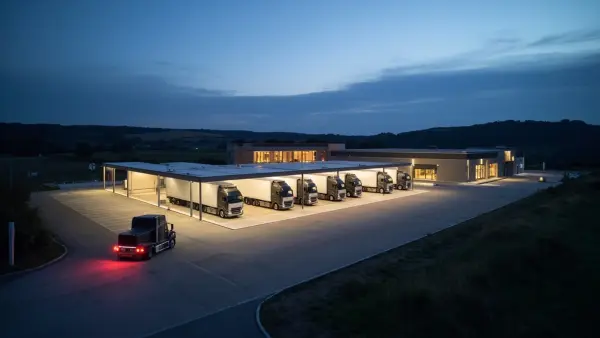
Europe's Truck Parking Crisis: A Call for Secure Rest Stops by 2026
The backbone of European commerce, professional truck drivers, face a severe and persistent challenge: a critical shortage of safe and secure parking facilities. This deficiency not only compromises driver well-being and cargo safety but also threatens adherence to strict Hours of Service (HOS) regulations, creating a ripple effect across the entire logistics chain.
The Looming Threat: Safety and Compliance
Currently, an estimated 300,000 truck parking spaces are needed across Europe, with only 7,000 certified as "Safe and Secure Parking Areas" (SSTPAs). This gaping deficit forces drivers to park in unlit, unmonitored locations, making them vulnerable to theft, violence, and even human trafficking. Beyond the immediate danger, inadequate parking often leads to HOS violations, as drivers struggle to find compliant rest stops within their mandated driving times, risking fines and operational delays. The lack of proper facilities also impacts driver recruitment and retention, worsening the industry's existing labor shortages.
EU's 2026 Vision: Expanding Secure Parking
Recognizing the gravity of the situation, the European Union has launched initiatives aimed at significantly expanding the network of SSTPAs by 2026. These efforts include designating new standards for security, amenities, and accessibility, encouraging Member States to invest in infrastructure development. The goal is to ensure a substantial increase in certified parking spots, making compliant and safe rest stops more readily available for professional drivers across the continent. This ambitious target requires coordinated action and substantial investment from both public and private sectors.
Public-Private Partnerships: A Path Forward
Addressing this crisis requires a collaborative approach. Public-private partnerships are emerging as a crucial model for funding and developing new SSTPAs. Governments can provide land, regulatory frameworks, and initial funding, while private companies contribute expertise, technology, and operational efficiency to build and manage these facilities. Investment incentives, grants, and streamlined permitting processes are essential to accelerate development. Carriers can also contribute by advocating for these developments and integrating parking considerations into their route planning and operational strategies. Platforms like Pickup2, by helping carriers find optimal multi-stop routes and fill empty runs across Europe, can indirectly contribute to better planning, allowing dispatchers to account for secure parking availability more effectively.
What Carriers Can Do Now
While waiting for the 2026 targets to materialize, carriers must proactively protect their drivers and cargo.
- Prioritize Driver Well-being: Educate drivers on available secure parking apps and resources.
- Strategic Planning: Integrate secure parking locations into route planning, even if it adds slight mileage.
- Leverage Technology: Utilize fleet management tools to monitor driver locations and help them locate safe spots.
- Advocate for Change: Support industry associations lobbying for increased investment in SSTPAs.
- Review & Adapt: Regularly review internal policies and procedures to minimize risks associated with the parking crisis.
Conclusion
The European truck parking crisis demands urgent attention, and the EU's 2026 initiatives offer a vital step towards a safer, more compliant future for road transport. By understanding the challenges and actively participating in solutions, carriers can mitigate risks for their drivers and cargo. Digital platforms, such as Pickup2, empower logistics companies with tools to enhance operational efficiency and adapt to evolving industry landscapes, playing a crucial role in building a more resilient supply chain.