
European Freight Exchanges: Navigating the Consolidation Shakeout

 Author: Pickup2 Team
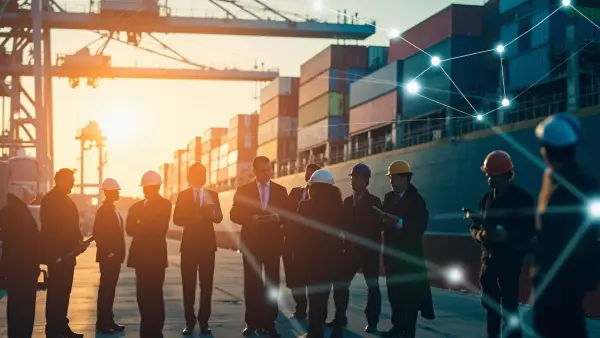
The European digital freight exchange landscape is undergoing a significant transformation.
After years of exponential growth and significant investment, the market for digital freight matching platforms is entering a crucial consolidation phase. Economic headwinds, shifting demand, and intense competition are now forcing a shakeout, compelling smaller players to merge or exit the market. This marks a pivotal moment for European logistics, redefining how shippers and carriers connect.
The Forces Driving Consolidation
Economic pressures are undeniable contributors to this consolidation. Rising inflation, volatile fuel prices, and decreased consumer spending have reduced overall freight volumes and squeezed carrier margins across Europe. This challenging environment makes it harder for less established platforms to attract and retain users, as both shippers and carriers prioritize stability and efficiency.
Adding to the pressure are increasing carrier bankruptcies, particularly among smaller and mid-sized transport companies. This instability impacts freight exchanges by reducing available capacity on some networks and heightening risk for platforms built on diverse, yet potentially vulnerable, carrier bases. Shippers are seeking greater assurances of service continuity, driving them towards platforms with more robust and vetted networks.
Furthermore, the investment climate has shifted dramatically. Venture capital funding, once readily available for tech disruptors, is now much tighter. This capital scarcity disproportionately affects smaller, less profitable freight exchanges, forcing them to seek acquisitions or cease operations. The market is maturing, demanding sustainable business models and clear paths to profitability.
What Shippers and Carriers Must Consider
For shippers, navigating this consolidating market requires a strategic shift from simply chasing the lowest price to prioritizing reliability and resilience. Evaluate platforms not just on their current rates, but on the financial stability of their carrier network, their commitment to compliance, and their ability to provide consistent service even amidst market volatility. A platform's long-term viability directly impacts your supply chain security.
Carriers, on the other hand, should look beyond immediate load availability to platforms offering consistent, high-quality freight, transparent payment terms, and strong financial health. Aligning with a stable platform can provide access to reliable demand, reduce payment risks, and offer better tools for operational efficiency. Avoid platforms showing signs of distress, as their collapse could leave you exposed.
Beyond financial stability, technology and integration capabilities are paramount. Both shippers and carriers benefit from platforms offering seamless API integrations with existing TMS or ERP systems, advanced analytics for route optimization, and real-time visibility tools. The aim is not just to find a match, but to genuinely optimize logistics operations and achieve greater efficiency in a competitive landscape.
Conclusion
The consolidation of European digital freight exchanges is an inevitable phase of market maturity. While it presents challenges, it also offers opportunities for stronger, more reliable platforms to emerge. Shippers and carriers must adapt their selection criteria, focusing on stability, network quality, and advanced technological capabilities to secure their operations. Platforms like Pickup2 help logistics companies adapt and thrive by providing robust, efficient, and resilient solutions in this evolving market.