
German Port Strike Threats & North Europe Congestion Escalates

 Author: Pickup2 Team
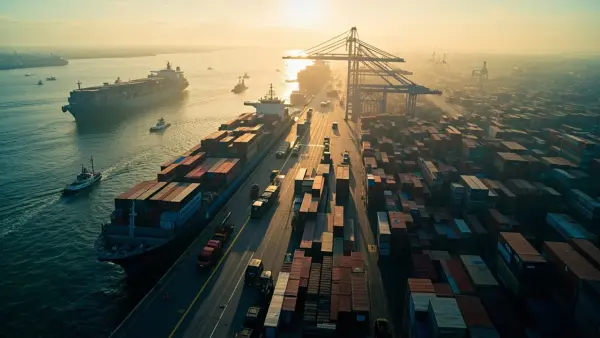
German port strike threats cast a long shadow over already strained North European supply chains.
From October 1st, German seaports are bracing for potential indefinite strikes, a development that promises to significantly worsen the existing landscape of high yard densities, persistent vessel delays, and critical inland bottlenecks across major gateways. This impending labor action, coupled with historically low Rhine water levels that continue to impede vital inland waterway transport, creates a perfect storm of disruption for businesses reliant on smooth European logistics.
The Brewing Storm in North European Ports
The threat of indefinite strikes by German port workers signals a new phase of instability for the region's already fragile freight ecosystem. This isn't an isolated incident; it compounds months of challenges including prolonged vessel waiting times and a build-up of containers at terminals, putting immense pressure on terminal operators and hinterland connections. The knock-on effect of such industrial action will likely reverberate throughout the entire North European network, impacting not only German ports but also spill-over traffic to neighboring countries like the Netherlands and Belgium.
The confluence of these issues demands immediate attention from all supply chain stakeholders. Low Rhine water levels have already forced a reduction in barge capacity, pushing more cargo onto road and rail networks that are themselves facing congestion and capacity constraints. The impending strikes will further strain these alternative modes, making capacity even scarcer and increasing transit times and costs for shippers and forwarders alike. This environment necessitates agile decision-making and robust contingency planning to maintain supply chain fluidity.
Navigating Disruption: Strategies for Resilience
In the face of escalating disruption, proactive strategies are paramount for maintaining operational continuity. Companies must prioritize transparent communication with their logistics partners, sharing updated forecasts and adjusting expectations in real-time. Exploring alternative port gateways and diversifying transport modes – where possible, shifting from affected barge routes to more reliable rail or road options – becomes crucial for mitigating delays.
Agility in securing transport capacity is also key. As traditional routes become unreliable, the ability to quickly find new carriers or loads for existing fleets across Europe can provide a vital competitive edge. Platforms like Pickup2, which allow carriers to publish available vehicle capacity and shippers/forwarders to post urgent FTL/LTL loads across Europe, can be crucial for quickly re-routing or securing capacity when traditional channels are compromised.
Furthermore, leveraging digital tools for efficient fleet and team management empowers logistics companies to adapt swiftly to changing market conditions. Assigning per-employee permissions and managing roles digitally ensures that dispatchers, drivers, and managers can collaborate effectively even when plans pivot rapidly.
Conclusion
The dual challenge of potential German port strikes and persistent North European congestion, exacerbated by low Rhine water levels, underscores the critical need for resilient and adaptable supply chain strategies. Businesses must embrace flexible planning, proactive communication, and leverage digital solutions to navigate this complex and volatile environment. In this volatile landscape, platforms like Pickup2 empower logistics companies with the tools to find verified partners, negotiate terms, and manage their fleet and team, fostering greater resilience against unforeseen disruptions.