
Germany's Insolvency Surge: A European Logistics Challenge

 Author: Pickup2 Team
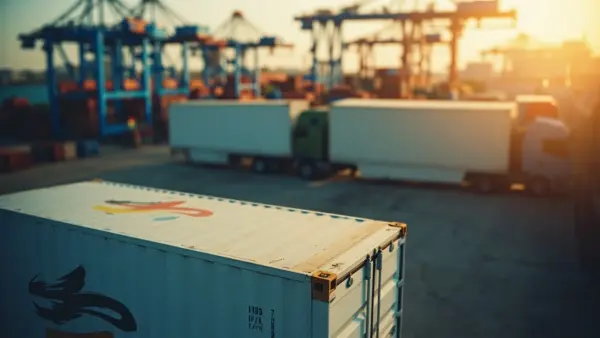
Germany's corporate insolvencies have hit a 13-year high, painting a complex picture for European logistics.
This surge, contrasting with more stable or even improving outlooks in other parts of the continent, signals an uneven financial landscape that transport and logistics businesses must navigate. Understanding these divergent trends is crucial for strategic planning and mitigating risks.
The German Economic Headwind
Germany, the economic powerhouse of Europe, is currently grappling with a significant rise in corporate insolvencies. This alarming trend, reaching levels not seen in over a decade, is driven by a confluence of factors including persistent inflation, high energy costs, and elevated interest rates impacting borrowing and operational expenses. Businesses, particularly smaller and medium-sized enterprises common in the logistics sector, are finding it increasingly difficult to absorb these mounting financial pressures.
The knock-on effect for the transport industry is palpable. Reduced consumer spending and industrial output translate directly into lower demand for freight services, tightening margins for carriers and forwarders alike. This creates a challenging environment where companies must prioritize efficiency and robust financial management to stay afloat amidst contracting opportunities.
Navigating a Divergent European Landscape
While Germany faces significant headwinds, the insolvency picture across Europe is far from uniform. Forecasts suggest continued increases in France and Romania, reflecting similar economic pressures. However, some other European markets are expected to see a decline in insolvency rates, indicating a highly fragmented and region-specific economic recovery. This divergence complicates cross-border operations, requiring logistics companies to carefully assess the financial health of their partners and the stability of specific markets.
For businesses operating internationally, this uneven landscape necessitates heightened vigilance regarding payment terms and partner reliability. Ensuring seamless operations and mitigating potential disruptions from financially distressed partners becomes paramount. Utilizing platforms with company verification and review features, like Pickup2, allows users to deal with verified partners, reducing risk in uncertain times. Companies can also leverage flexible bidding and negotiation tools to secure fair rates and optimize load planning, helping reduce empty runs and maximize profitability even in a volatile market.
Effective fleet and team management also play a critical role in navigating these economic uncertainties. Optimizing vehicle utilization, managing driver schedules efficiently, and having clear role-based permissions help companies streamline operations and respond quickly to market changes. The ability to quickly find and post loads, whether FTL or LTL, or even multi-stop routes with specific vehicle requirements, becomes a key advantage in maintaining cash flow.
Conclusion
The current surge in German corporate insolvencies, set against a backdrop of varied financial health across Europe, underscores the urgent need for agility and strategic foresight in the logistics sector. Businesses must adapt by focusing on operational efficiency, careful partner selection, and robust financial planning. Digital freight exchange platforms like Pickup2 help logistics companies adapt to these complex market dynamics by providing tools for efficient load matching, verified partnerships, and effective resource management.