
Intermodal Revolution: Fast Road-to-Rail Transfer Boosts Efficiency

 Author: Pickup2 Team
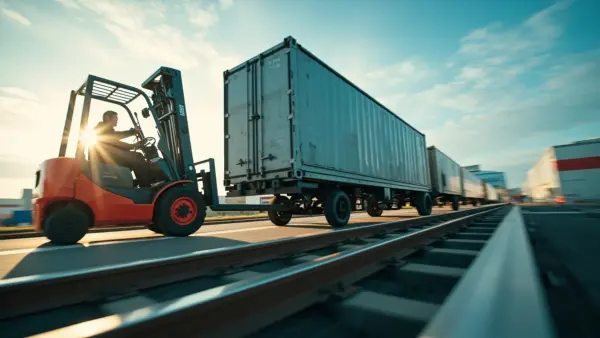
The future of freight is moving beyond congested roads towards a seamless, sustainable intermodal network.
European logistics faces a persistent challenge: balancing rapid delivery demands with environmental responsibility and road capacity limits. Intermodal transport, combining the strengths of road and rail, offers a compelling solution, but its adoption has been hampered by slow and inefficient transfer processes.
The Promise of Instant Intermodal Transfer
Innovative solutions like ‘Safe Green Logistics’ (SGL) are now poised to overcome these traditional hurdles. This groundbreaking system drastically reduces the time it takes to transfer freight between road and rail, achieving transitions in as little as one minute. Such rapid transfers fundamentally redefine the viability of intermodal transport.
By dramatically cutting transfer times, SGL addresses one of the biggest bottlenecks in intermodal operations. This efficiency gain isn't just about speed; it's about making the entire logistics chain more predictable and reliable. The system is designed to facilitate a significant shift of freight traffic from roads to railways, alleviating congestion, reducing fuel consumption, and substantially cutting CO2 emissions across Europe.
This innovation directly supports the broader goals of optimizing fleet utilization and reducing empty runs, which are critical for operational profitability and sustainability. Platforms like Pickup2, where carriers can publish available vehicle capacity and find return loads across Europe, are also instrumental in maximizing efficiency by connecting available vehicles with urgent freight needs, complementing the shift towards faster intermodal operations.
Transforming European Logistics Operations
The advent of systems like Safe Green Logistics has profound implications for shippers, freight forwarders, and carriers alike. Shippers gain access to more cost-effective and environmentally friendly transport options, broadening their supply chain strategies beyond traditional road-only solutions. This allows for greater flexibility and resilience in their logistics planning, crucial in today's dynamic market.
Forwarders and carriers can leverage this technology to offer new, competitive intermodal services, expanding their market reach and improving service levels. The ability to quickly pivot between road and rail opens up opportunities for optimized routing and enhanced resource allocation. It also enables them to better meet increasingly stringent sustainability requirements from clients.
Furthermore, managing complex intermodal operations, from FTL/LTL to multi-stop routes and specialized vehicle requirements, demands robust digital tools. Digital platforms offer essential capabilities such as fleet/vehicle management and team management with roles and per-employee permissions. This level of organizational control ensures that even with rapid transfers, every aspect of the journey is professionally managed.
Conclusion
Fast road-to-rail transfer systems like Safe Green Logistics represent a pivotal moment for European intermodal logistics. By making the switch from truck to train almost instantaneous, this technology unlocks unprecedented efficiency, sustainability, and competitive advantages. As the industry embraces these innovations, digital platforms like Pickup2 will continue to play a crucial role in connecting verified partners and facilitating the seamless exchange of loads and capacity, propelling logistics towards a more integrated and greener future.