
Lithium Battery Logistics: EU Hazmat Rules Reshaping 2026 Transport

 Author: Pickup2 Team
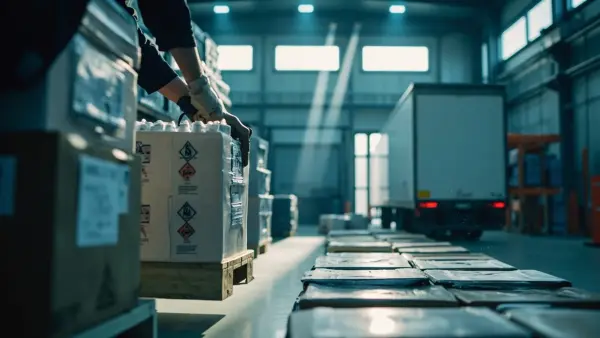
EU Hazmat Rules Reshaping Lithium Battery Logistics for 2026 Transport
The explosive growth of electric vehicles (EVs) and renewable energy solutions is fueling an unprecedented surge in lithium battery shipments across Europe, necessitating a critical overhaul of dangerous goods regulations. These advanced power sources, while essential for a sustainable future, present unique transportation risks due to their potential for thermal runaway and fire, making their safe transit paramount across the continent.
The Accelerating Challenge of Lithium Battery Transport
As production scales dramatically to meet global demand, the volume and complexity of lithium battery logistics are escalating, posing new challenges for supply chains. Current regulations are increasingly challenged by the sheer scale and variety of batteries now in transit, from small consumer electronics to massive EV power packs and industrial energy storage units. This rapid expansion has prompted European authorities to proactively update the Accord européen relatif au transport international des marchandises Dangereuses par Route (ADR) to enhance safety, improve clarity, and ensure consistent enforcement across member states. The impending 2026 updates are designed to future-proof the transport framework, addressing the evolving nature of these hazardous materials and ensuring robust safeguards throughout their journey.
Key Changes in the 2026 ADR Updates
The forthcoming ADR amendments for 2026 are expected to introduce significant changes, primarily focusing on updated packaging instructions, more stringent state-of-charge (SOC) limitations, and clearer classification guidelines. New packaging requirements will likely mandate enhanced protection for battery cells and modules, especially for high-energy density units, reducing the risk of short circuits or mechanical damage during transit. Rules governing the maximum permissible SOC for batteries transported by road are also anticipated to become more specific, directly impacting how batteries are stored, handled, and prepared for shipment.
Additionally, clearer definitions and transport conditions for prototypes, end-of-life, and recycled batteries will be crucial for the circular economy, impacting reverse logistics and specialized freight movements. For such specialized cargo, finding verified carriers with specific vehicle requirements, like temperature-controlled options, and negotiating terms accurately is paramount, which platforms like Pickup2 facilitate through direct communication, bidding, and company verification.
What This Means for Your Logistics Operations
Carriers, freight forwarders, and battery manufacturers must begin preparing now to ensure compliance well before 2026, mitigating risks and avoiding potential disruptions. This involves a comprehensive review and update of internal safety protocols, investing in new compliant packaging solutions, and implementing advanced training for all personnel involved in handling, packing, and transporting lithium batteries. Documentation and labeling will also require meticulous attention to reflect the revised classifications and conditions, demanding greater precision in every step of the logistics chain. Understanding and adapting to these changes early can prevent costly delays, hefty penalties, and ensures the safe, efficient flow of these critical goods across Europe's roads.
Conclusion
The 2026 ADR updates for lithium battery transport represent a critical evolution in EU dangerous goods regulations, driven by the unprecedented growth of the EV sector and the imperative for enhanced safety. Proactive engagement with these changes is not merely about achieving compliance; it's about safeguarding valuable shipments, protecting personnel, and maintaining operational efficiency in a rapidly transforming logistics landscape. Digital platforms like Pickup2 help logistics companies adapt by connecting them with verified partners, enabling transparent negotiation, and streamlining communication for complex and specialized freight needs across Europe.