
Post-Brexit EU-UK Logistics: 3 Years of Adaptation & Challenges

 Author: Pickup2 Team
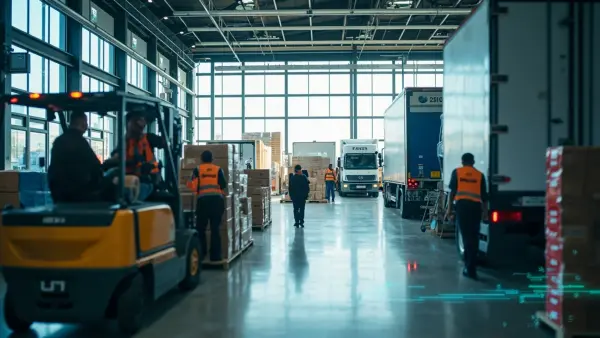
Three years into a new era, EU-UK logistics continues to redefine efficiency amidst evolving post-Brexit realities.
The landscape of freight movement between the European Union and the United Kingdom has irrevocably changed since the full implementation of new trade rules. As we move through 2026, the initial shock has given way to established, albeit often more complex, operational routines for freight forwarders and carriers. Yet, these adaptations are not without their ongoing challenges, marked by persistent customs hurdles, the unique complexities of the Northern Ireland Protocol, and a dynamic shift in trade volumes.
Adapting to Customs & Compliance Burdens
The immediate aftermath of Brexit saw a significant surge in customs paperwork and regulatory checks, introducing delays and increased costs for cross-border shipments. Businesses quickly realized the imperative to invest in enhanced customs expertise, often requiring new hires or extensive training for existing staff to navigate declarations, origin rules, and health certificates effectively. This period necessitated a fundamental shift in operational planning, prioritizing meticulous documentation and pre-emptive compliance.
Many logistics providers have responded by integrating advanced customs software and partnering with specialized brokerage services to streamline processes. Digital solutions, designed to automate documentation and improve data accuracy, have become critical tools for managing the sheer volume of new administrative tasks. While these technologies mitigate some friction, the additional administrative load and associated costs remain a structural challenge impacting overall transit times and pricing strategies.
Navigating the Northern Ireland Protocol
The Northern Ireland Protocol continues to be a focal point of complexity, influencing supply chains across the UK and EU. The introduction of the Windsor Framework aimed to ease trade flows, particularly with the distinction between "Green Lane" movements for goods staying in Northern Ireland and "Red Lane" for goods moving to the EU. However, understanding and correctly implementing these pathways requires precise declarations and robust tracking mechanisms, adding layers of operational diligence.
Some carriers have restructured their networks to establish direct routes to Northern Ireland from the EU, bypassing Great Britain entirely, or have set up consolidation centres to manage goods flow more efficiently. This re-evaluation of routing and warehousing strategies underscores the ongoing efforts to minimize friction and maintain service reliability for businesses trading with or through Northern Ireland. The unique status of Northern Ireland within the customs framework necessitates specialized knowledge and agile logistics planning, shaping a distinct operational environment.
Shifting Trade & New Logistics Hubs
Post-Brexit, trade volumes between the EU and UK have shown varying trends, with some sectors experiencing significant restructuring of their supply chains. The drive to mitigate customs delays and reduce costs has led to the emergence of new logistics hubs and consolidation points, particularly in the Benelux region and along UK's eastern coast, designed to optimize cross-border transit. These hubs facilitate efficient groupage, customs clearance, and onward distribution, streamlining what were once direct routes.
Furthermore, there's been a noticeable trend towards nearshoring or re-shoring production for certain goods, impacting traditional trade lanes and creating new demands for domestic and regional logistics. While not a universal solution, this shift reflects an ongoing re-evaluation of supply chain resilience and cost-effectiveness in a post-Brexit world. This dynamic environment requires freight operators to be highly adaptable, ready to reconfigure routes and capacity in response to evolving market needs and trade patterns.
The Regulatory Horizon for 2026
Looking ahead, 2026 is poised to bring further potential regulatory adjustments as both the UK and EU continue to refine their trade relationship. While significant overhauls are unlikely, expect ongoing discussions around simplifying specific declarations, enhancing data exchange protocols, and potentially reviewing aspects of existing trade agreements. These prospective changes aim to reduce administrative burdens further, though they will invariably require continuous monitoring and adaptation from the logistics sector.
Both sides are exploring greater digitization and interoperability of customs systems to streamline compliance and reduce physical checks. Any future developments will focus on striking a balance between regulatory control and trade facilitation, urging logistics companies to remain agile and proactive in their adoption of new digital tools and best practices. Staying informed about these potential shifts will be crucial for maintaining competitive advantage and operational efficiency in the coming year.
Conclusion
Three years on, the EU-UK logistics sector stands as a testament to resilience and adaptability, having absorbed substantial operational changes and developed innovative solutions. While friction points persist, particularly around customs and the Northern Ireland Protocol, the industry continues to evolve, demonstrating remarkable agility in restructuring networks and embracing new technologies. Continued success will hinge on proactive adaptation, leveraging digital platforms like Pickup2 and strategic partnerships to navigate the ongoing complexities of post-Brexit trade.