
Schengen 2026: Unlocking Faster EU Road Freight in Romania & Bulgaria

 Author: Pickup2 Team
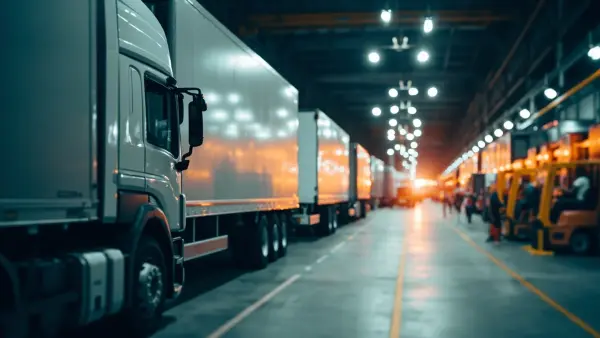
Romania and Bulgaria's full inclusion into the Schengen area in 2026 promises a significant transformation for European road freight.
This long-anticipated move will dismantle land border checks, dramatically reducing transit times and simplifying logistical processes across vital Eastern and Southern European corridors. For shippers, freight forwarders, and carriers operating across the continent, this milestone heralds a new era of efficiency and expanded opportunities.
The End of Border Bottlenecks
The current reality for road freight between Romania/Bulgaria and other EU countries often involves lengthy queues and bureaucratic delays at land borders. When these two nations fully integrate into the Schengen land zone in 2026, these barriers will be removed, allowing for seamless movement of goods. This directly translates into substantial time savings for hauliers, reducing driver idle hours and improving overall operational fluidity.
Reduced border wait times will have a ripple effect on journey planning and reliability. Carriers can adhere to stricter delivery schedules, enhancing customer satisfaction and allowing for more efficient utilization of their fleet and driver resources. The simplified passage will also contribute to a smoother flow of goods, particularly for time-sensitive cargo traversing these key European routes.
Economic Advantages and Corridor Transformation
The direct economic benefits of Schengen expansion are substantial. Carriers will experience lower operating costs due to reduced fuel consumption from idling engines and optimized driver shifts. This improved efficiency can lead to more competitive pricing for freight services, benefiting shippers by lowering their overall transit expenses. The enhanced connectivity will also make Romania and Bulgaria even more attractive hubs for distribution and manufacturing.
This shift will fundamentally reshape major European transport corridors. Routes connecting Central Europe with the Balkans, Turkey, and beyond will become significantly more efficient. As freight moves more freely, companies will find it easier to capitalize on new trade opportunities. Platforms like Pickup2, by enabling carriers to publish available vehicle capacity and find return loads across Europe, will become even more crucial for optimizing routes and filling empty runs made possible by these faster transit times.
Strategic Planning for Logistics Companies
For logistics companies, adapting to this new landscape will be key. Shippers should re-evaluate their supply chain strategies, potentially exploring new sourcing or distribution points to leverage the improved transit times and reduced costs. Freight forwarders can develop more agile and competitive service offerings, passing on efficiencies to their clients. Carriers, meanwhile, must focus on optimizing their fleet utilization and route planning to maximize the benefits of seamless border crossings.
Digital tools will play an increasingly vital role in this strategic adaptation. Companies that embrace modern freight exchange platforms, robust fleet management, and efficient team coordination will be best positioned to thrive. The ability to quickly find and bid on loads, manage multi-stop routes, and coordinate temperature-controlled shipments will be paramount in leveraging the full potential of Schengen expansion.
Conclusion
The full integration of Romania and Bulgaria into the Schengen area in 2026 is poised to be a landmark event for European road freight. It promises unprecedented efficiency, significant cost reductions, and the unlocking of new commercial opportunities across the continent. To leverage these forthcoming benefits, logistics companies will increasingly rely on digital platforms like Pickup2 to manage operations, find verified partners, and streamline cross-border transport.