
Smart Containers & IoT: Real-Time Visibility in European Logistics

 Author: Pickup2 Team
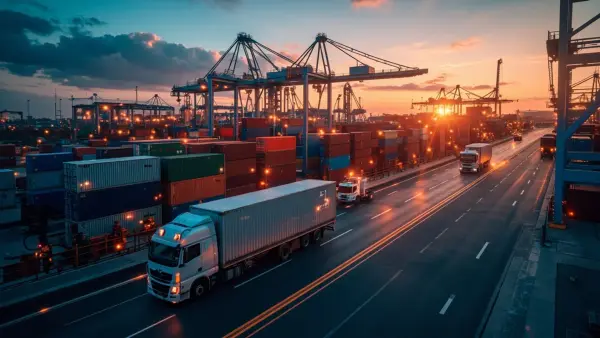
IoT-enabled smart containers are revolutionizing European logistics by providing unprecedented real-time visibility.
The adoption of these intelligent units is rapidly accelerating, driven by shippers' growing demand for end-to-end transparency and regulatory pushes for digital cargo data. This technological shift promises to significantly cut operational losses, enhance security, and streamline complex compliance processes across the continent. By 2026, smart containers will be a cornerstone of efficient and secure freight movement.
The Power of Real-Time Tracking and Monitoring
Smart containers integrate an array of IoT sensors that continuously monitor critical aspects of cargo movement. These sensors track location via GPS, temperature, humidity, light exposure, and even shock events, transmitting data wirelessly to cloud-based platforms. This constant stream of information provides logistics managers with an immediate, accurate picture of their shipments' status, allowing for proactive intervention.
This real-time data flow drastically reduces uncertainties often associated with long-haul freight. For perishable goods, consistent temperature monitoring prevents spoilage and waste, ensuring product integrity from origin to destination. For high-value cargo, geo-fencing and tamper detection alerts offer enhanced security, mitigating theft risks and unauthorized access.
Predictive analytics, fueled by this vast dataset, can identify potential delays or issues before they escalate. For instance, abnormal temperature fluctuations might trigger an alert, prompting an inspection or rerouting before an entire shipment is compromised. This proactive approach transforms reactive problem-solving into preventative management, saving considerable time and resources.
Streamlining Compliance and Border Operations
The push for digital cargo data from customs authorities across Europe is a significant catalyst for smart container adoption. These containers can automatically provide granular data on cargo contents, origin, and destination, which can be directly integrated into customs declarations. This automation dramatically speeds up border clearance processes and reduces human error.
Digital manifests and verifiable real-time data simplify compliance with diverse European regulations, including those related to safety, environmental standards, and trade agreements. The ability to present an immutable record of a container's journey and conditions provides an auditable trail, which is invaluable during inspections and dispute resolution. This enhanced transparency fosters greater trust and efficiency in cross-border logistics.
Beyond compliance, smart containers contribute to a more sustainable logistics ecosystem. By optimizing routes based on real-time traffic and weather conditions, and by ensuring cargo integrity, they help minimize fuel consumption and reduce waste. This aligns with broader European environmental goals, positioning smart logistics as a key enabler for greener supply chains.
Conclusion
Smart containers and IoT technology are not just futuristic concepts; they are rapidly becoming essential tools for European logistics. They offer unparalleled real-time visibility, security, and efficiency, addressing critical industry challenges from cargo integrity to regulatory compliance. As the digital transformation of supply chains accelerates, platforms like Pickup2 help logistics companies adapt and thrive in this evolving landscape.