
Suez Canal Reopens: Europe's Ports Brace for Impact

 Author: Pickup2 Team
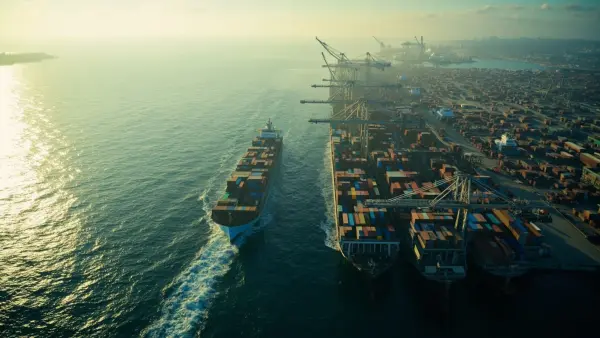
The Suez Canal has reopened, marking a critical turning point for global supply chains.
After months of disruption, the resumption of full traffic through this vital waterway is set to significantly alter transit times for cargo heading to Europe. While offering a return to normalcy for many, this shift introduces a new set of challenges for European logistics firms, requiring careful adaptation and strategic planning to manage the impending influx of goods.
Shifting Gears: The Return to Pre-Crisis Transit Times
The immediate consequence of the Suez Canal's reopening is a substantial reduction in transit times for vessels bypassing the Cape of Good Hope. European ports can expect a rapid influx of cargo that was previously delayed or re-routed, potentially arriving earlier and in larger volumes than recent schedules. This acceleration necessitates a complete reassessment of existing inventory management and distribution strategies.
Logistics operations, which had adapted to longer lead times and alternative routes, must now pivot quickly. Anticipating earlier arrivals is key for efficient planning, impacting everything from warehouse staffing to last-mile delivery schedules. The pressure is on to avoid a surge that could overwhelm unprepared facilities.
Navigating Port Congestion and Inland Bottlenecks
While the canal's reopening eases one bottleneck, it threatens to create others at Europe's major container ports. An accelerated flow of vessels could lead to increased port congestion, longer waiting times for berthing, and pressure on drayage operations to clear containers quickly. Proactive planning for drayage and efficient inland distribution is critical to maintain fluidity.
Digital freight exchanges like Pickup2 help shippers and forwarders quickly find carriers with suitable vehicle requirements (FTL/LTL, temperature-controlled) for flexible inland distribution and multi-stop routes. This ensures that cargo can move swiftly from ports to its final destination. Real-time communication with warehouse and transport partners is paramount to prevent new bottlenecks.
To mitigate potential issues, logistics stakeholders should immediately:
- Update delivery schedules and drayage plans to align with earlier vessel arrivals.
- Communicate proactively with port authorities and inland warehouses regarding expected volumes.
- Leverage digital tools for fast sourcing of additional transport capacity when needed.
Optimizing Capacity and Partner Collaboration
For carriers, the renewed flow means a greater opportunity to optimize routes and reduce empty runs. Proactively publishing available vehicle capacity (fleet offers) can help fill returning trucks and secure return loads efficiently, capitalizing on the increased demand for inland transport. This dynamic environment rewards agility and the ability to react quickly to changing load availability.
Shippers and freight forwarders must prioritize securing reliable transport capacity. Utilizing both public freight exchanges and private networks with trusted partner companies ensures that goods can be moved without delay. The ability to bid and negotiate on loads and capacity in real-time is crucial for competitive and efficient operations.
The importance of working with verified partners cannot be overstated. Leveraging company verification (EU VAT/VIES checks) and post-transaction ratings and reviews on platforms helps build trust and ensures reliability, especially when rapidly expanding your network to meet new demands.
Conclusion
The reopening of the Suez Canal signals a significant shift, demanding agility and foresight from European logistics companies. Adapting warehouse planning, optimizing drayage, and ensuring robust transport capacity are essential to navigate the coming months successfully. Digital platforms like Pickup2, offering tools for bidding, negotiation, and verified partner networks, are essential for maintaining agility in this dynamic landscape.