November 10, 2026
DHL Pioneers SAF at Paris CDG: A Sustainable Leap for Air Cargo
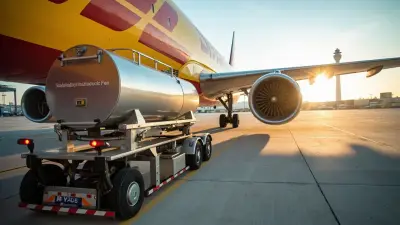
DHL Express is pioneering Sustainable Aviation Fuel (SAF) at its Paris CDG hub, marking a significan...


 Author: Pickup2 Team
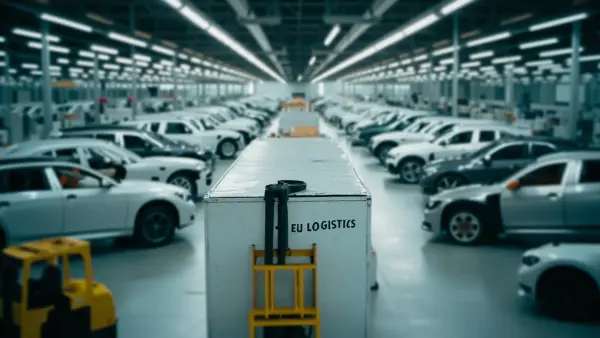
The luxury automaker is experiencing disruptions at its facilities in Leipzig, Regensburg (Germany), and Oxford (England), leading to changes in shift patterns and impacting overall vehicle output. This recent development underscores the persistent vulnerabilities inherent in today's complex global manufacturing and logistics networks.
Such high-profile production halts send ripples across the entire European logistics landscape. When major manufacturers like BMW scale back operations, it directly affects the demand for various transport services, including FTL and LTL shipments, multi-stop routes, and specialized vehicle requirements, often temperature-controlled. Carriers and freight forwarders must quickly adapt to shifting schedules and potentially reduced volumes or rerouted goods.
The challenge for logistics providers intensifies as they navigate these sudden changes, balancing existing commitments with new demands. Finding available loads or matching specific vehicle capacities to immediate needs becomes critical. For carriers and freight forwarders, platforms that enable quick bidding and negotiation on loads, alongside the ability to publish available vehicle capacity to fill empty runs, become invaluable in navigating such volatility, just as Pickup2 offers.
In an era marked by geopolitical shifts and unforeseen events, supply chain resilience is paramount. Companies across the logistics spectrum—shippers, freight forwarders, and carriers—must adopt proactive strategies to mitigate risks. This includes diversifying transport partners, establishing robust communication channels, and leveraging digital tools to enhance visibility and responsiveness.
Developing strong, verified partnerships is also crucial. Knowing you are dealing with reliable, pre-vetted companies can significantly reduce risks during times of uncertainty, ensuring that critical loads can still be moved efficiently. This level of trust, bolstered by features like company verification and post-transaction ratings, helps create a more secure and efficient freight ecosystem.
Team and fleet management capabilities also play a significant role in adapting to disruptions. Empowering dispatchers, drivers, and forwarders with clear roles and permissions, often accessible via mobile apps with push notifications, allows for faster decision-making and more agile responses to production adjustments or unexpected route changes.
BMW's latest production woes are a stark reminder that supply chain vulnerabilities remain a significant challenge for European industries. The ability to quickly find and secure transport, manage capacity effectively, and collaborate with verified partners is no longer just an advantage—it's a necessity. Digital freight exchanges, such as Pickup2, play a vital role by connecting verified companies and providing tools for efficient load and fleet management, helping the industry build greater resilience against future disruptions.
DHL Express is pioneering Sustainable Aviation Fuel (SAF) at its Paris CDG hub, marking a significan...
German seaports face potential indefinite strikes, intensifying North European port congestion and i...
The EU plans to double cross-border transport infrastructure investment, tackling bottlenecks like t...
Discover how Romania and Bulgaria joining the Schengen area in 2026 will transform road freight, red...
ADR 2027 clears hydrogen vehicles for dangerous goods. Discover how European logistics must adapt to...

Discover how surging cargo theft and freight fraud are impacting European supply chains. Learn strat...